72 Hours: Is That Really Enough?
- Jackie Kloosterboer
Why Countries Around the World Are Encouraging People to Prepare for Emergencies
By Jackie Kloosterboer | Survive-It Disaster Preparedness
Recently, I had the opportunity to talk about emergency preparedness on CKNW radio and during two interviews on Global Television's The Morning Show and TMS2.
One key question was simple: Are 72 hours of emergency supplies really enough?
For years, Canadians have been encouraged to have enough food, water, and essential supplies to support themselves, their families, and their pets for at least 72 hours following an emergency. It's excellent advice. But here's the question I think we should be asking:
What happens on day four?
What happens if the power is still out? Roads are closed? Grocery stores can't reopen? Or water and communication systems remain disrupted?
After more than 30 years working in emergency management and disaster response, I've learned that preparedness isn't about predicting what will happen. It's about being ready to manage the unexpected.
It's Not Just Canada Talking About Preparedness
Governments around the world are placing greater emphasis on helping people become more self-sufficient during emergencies.
Europe: In March 2025, the European Commission introduced its Preparedness Union Strategy, including guidance to help people become self-sufficient for at least 72 hours.
United Kingdom: The government's Be Ready campaign encourages households to have essential supplies, develop emergency plans, and gradually build their preparedness.
Japan: With extensive experience responding to earthquakes and other disasters, Japan recommends keeping at least three days of emergency supplies, preferably enough for a week.
Different countries, but a similar message: Being prepared helps individuals, families, and communities cope when the unexpected happens.
I've Seen What Happens When the Unexpected Becomes Reality

Over my 30-plus years working in emergency management and disaster response, I've met countless people whose lives have been turned upside down in a matter of minutes.
I've worked with families evacuated because of wildfires, not knowing whether their homes would still be standing when they returned. I've seen the devastating impact on people who have lost their homes and suddenly must figure out what comes next. I've also supported people forced to flee house fires in the middle of the night, sometimes leaving with little more than the pyjamas they were wearing.
It's not just about losing your home. It's the uncertainty, disruption, and emotional impact of having your everyday life suddenly turned upside down.
These experiences have reinforced something I strongly believe.
We can't always prevent emergencies, but we can take steps to be better prepared to cope when they happen.
An emergency kit won't stop a wildfire or an earthquake. But having supplies ready, knowing what to take if you must evacuate, and having a family communication plan can make an incredibly difficult situation a little easier to manage.
Should Canadians Prepare for More Than 72 Hours?
My answer is yes, whenever possible. Start with 72 hours. That's a great foundation. But if you can gradually increase your supplies to cover seven days or longer, you're putting yourself and your family in a stronger position.
And this doesn't mean filling your basement with emergency supplies you'll never use.
Ask yourself:
Could I manage without electricity for several days?
Do I have enough food and drinking water?
How would I contact my family if cell service was disrupted?
Do I have a way to receive emergency information?
Have I considered medications, pets, and other household needs?
Sometimes the simplest questions are the most important.
Three Simple Ways to Get Started
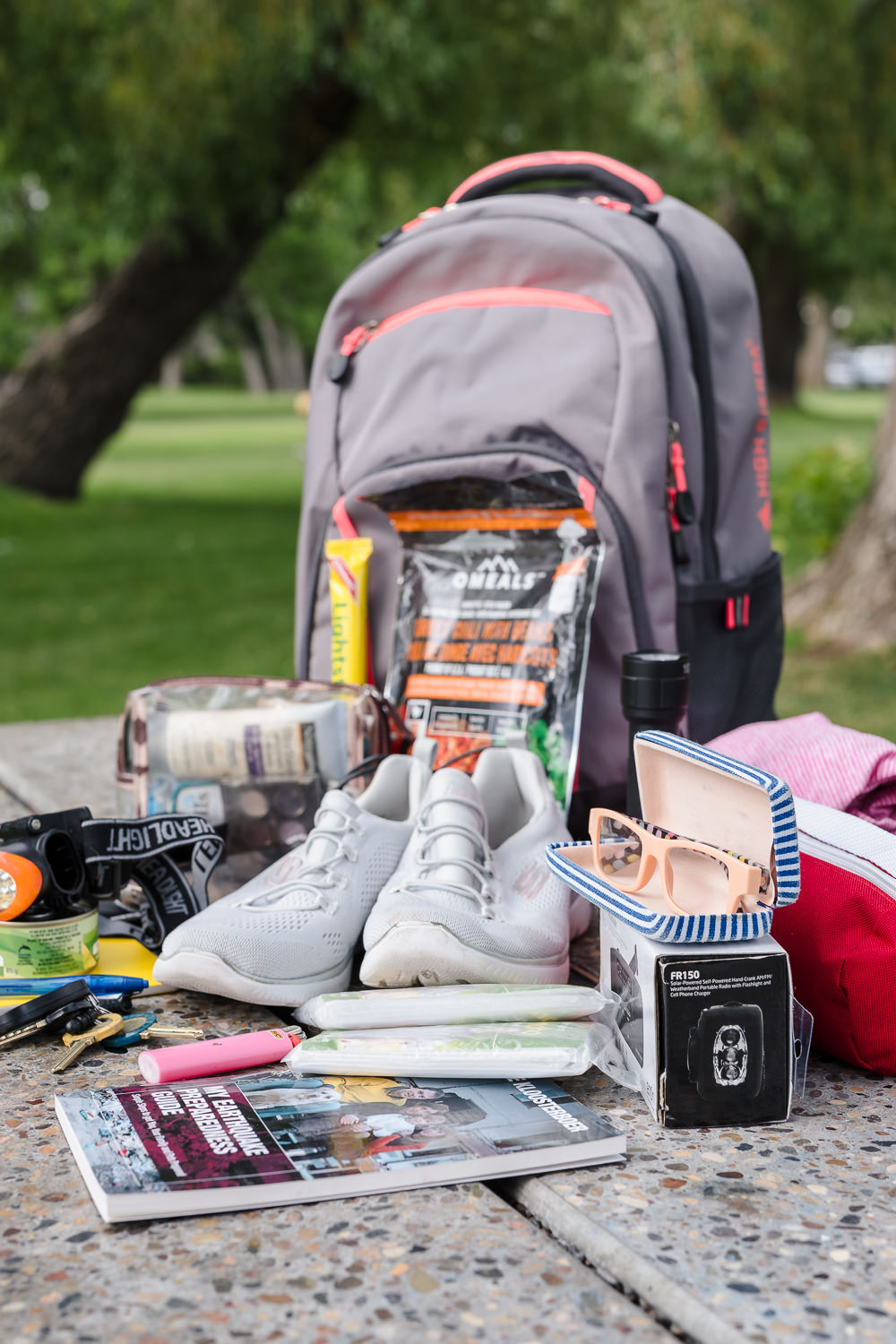
1. Start with the Essentials
Have drinking water, non-perishable food, medications, flashlights, batteries, and a way to receive emergency updates.
Canada's emergency preparedness guidance recommends approximately four litres of water per person per day for drinking and sanitation.
Don't forget your pets!
And keep some cash in small bills. If the power goes out, debit machines, credit card systems, and ATMs may not work.
2. Make a Family Communication Plan
Where will your family meet if you can't get home? Who will you contact if local phone systems aren't working?
Choose an out-of-area contact person and make sure everyone knows how to reach them.
-
Sign up for emergency alerts in your community.
You don't need a complicated plan. You need one everyone understands.
3. Build Your Preparedness a Little at a Time
Emergency preparedness doesn't have to be expensive or overwhelming. Next time you're grocery shopping, pick up a couple of extra items. Check your flashlight. Charge your power bank. Spend 15 minutes discussing your family emergency plan. Next week, do something else.
You don't have to do everything at once. You just have to start and keep building.
Preparedness Is About Confidence, Not Fear
One message I share is that emergency preparedness should never be about frightening people. I don't want people lying awake worrying about earthquakes, wildfires, or the next major storm. I want them to know they've taken practical steps to look after themselves and the people they love.
After more than 30 years responding to emergencies, if there's one thing I want people to understand, it's this:
You can't always control what happens, but you can take steps today that will help you cope with whatever tomorrow brings.
Prepared people cope better. And that's really what emergency preparedness is all about. You don't need to prepare for everything. You just need to start preparing for something. Because emergency preparedness isn't about living in fear. It's about living with confidence.
Bring Emergency Preparedness to Your Community!
Looking for an engaging, practical emergency preparedness workshop for your strata, workplace, or community organization?
Book a Survive-It Emergency Preparedness Workshop and help your community move from panicked to prepared!
Contact Jackie Kloosterboer at jackie@survive-it.ca to learn more.
About Jackie Kloosterboer
Jackie is an emergency preparedness speaker, trainer, author, and founder of Survive-It Disaster Preparedness. With more than 30 years of emergency management and disaster response experience, she brings real-life stories and practical advice to her engaging, interactive workshops.
She is the author of My Earthquake Preparedness Guide and believes preparedness is about confidence, not fear.
Survive-It Disaster Preparedness
From Panicked to Prepared