Because Kids Deserve to Feel Safe - Even in a Disaster
- Jackie Kloosterboer
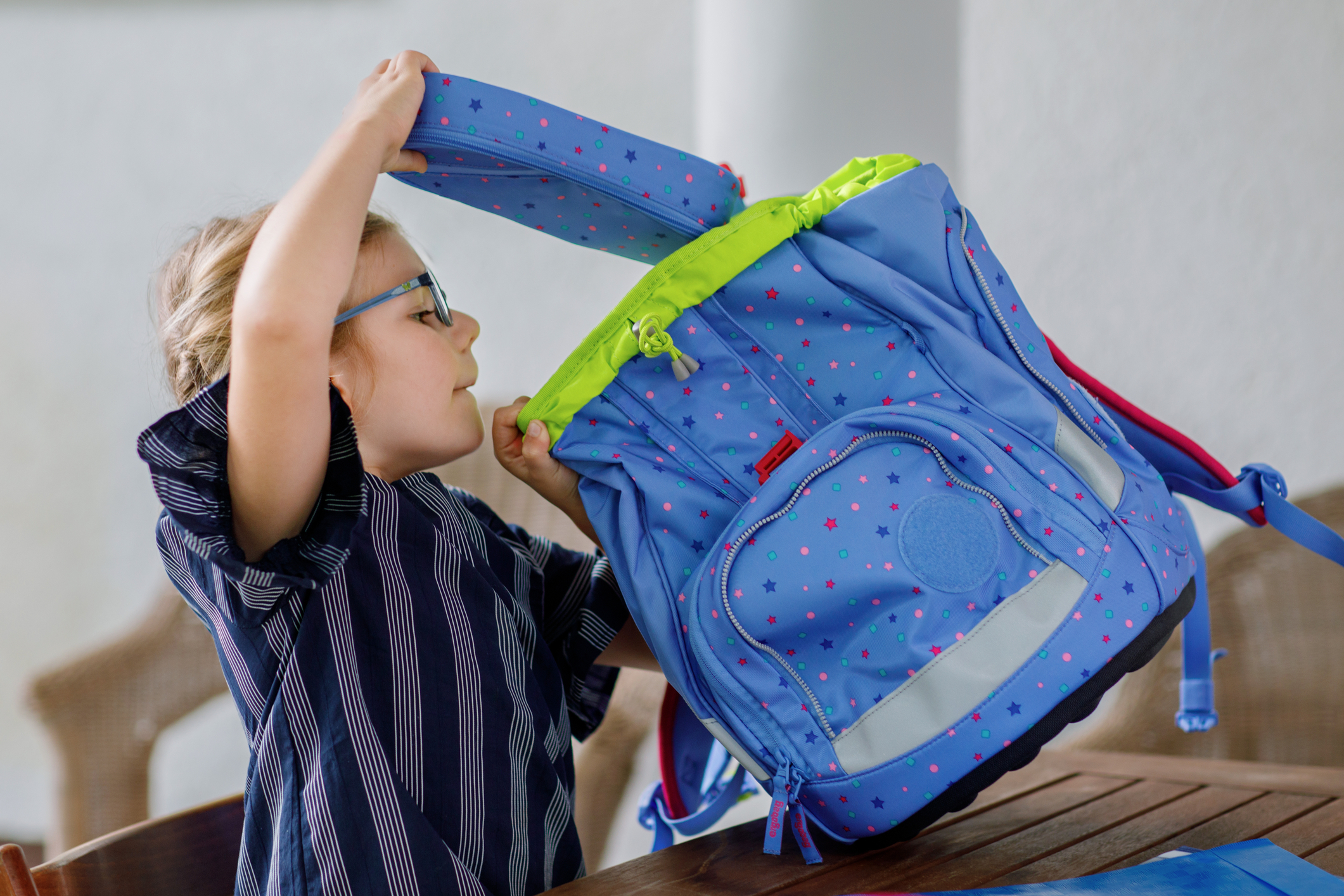
When disaster strikes, parents naturally think of food, water, and shelter, but for kids, the real challenge is often emotional. Disasters are scary, unpredictable, and overwhelming. A well-stocked Grab & Go kit tailored for your child doesn’t just meet their basic needs - it provides comfort, calm, and a sense of security when the world feels upside down.
Why Kids Need Their Own Kits
Children process emergencies differently from adults. A flashlight in their hands can mean independence. A favourite stuffed animal can mean comfort. A snack can mean normalcy. By creating a child-specific kit, you give them not just supplies but much-needed emotional support.
What to Pack

Here are a few items to consider:
1. Essentials
Small water bottles or pouches (easy for kids to carry)
Child-sized masks (for smoke, ash, or poor air quality)
Non-perishable snacks (granola bars, fruit leather, crackers)
2. Comfort Items
A stuffed animal, a small blanket, or a favourite toy
Colouring book and crayons
A few family photos or a note from a parent
3. Practical Kid-Friendly Gear
Flashlight with extra batteries (or a crank flashlight)
Glow sticks (safe, fun, and comforting in the dark)
Whistle (to signal if separated)
4. Clothing & Personal Care
Change of clothes in a ziplock bag
Small pack of wipes
Travel-size toothbrush & toothpaste
Extra socks and underwear
5. Information & ID
Copy of emergency contacts laminated in plastic
Family reunification plan (address, meeting spot)
Any special medical info or medications
6. Other Items
· Include any other items your child may need, specific to their needs
Involving Kids in the Process
Involve your kids in the planning. Let them choose a snack, toy, or even the bag to pack. By involving them, you turn fear into empowerment.
And better yet - make it a game. Have your kids gather what they need or pretend they’re going shopping. Let them pick their flashlight and decide where in the front closet their kit will be stored. When kids feel ownership over the process, they’re more likely to remember where their kit is and feel reassured by what’s inside.
Practicing Preparedness
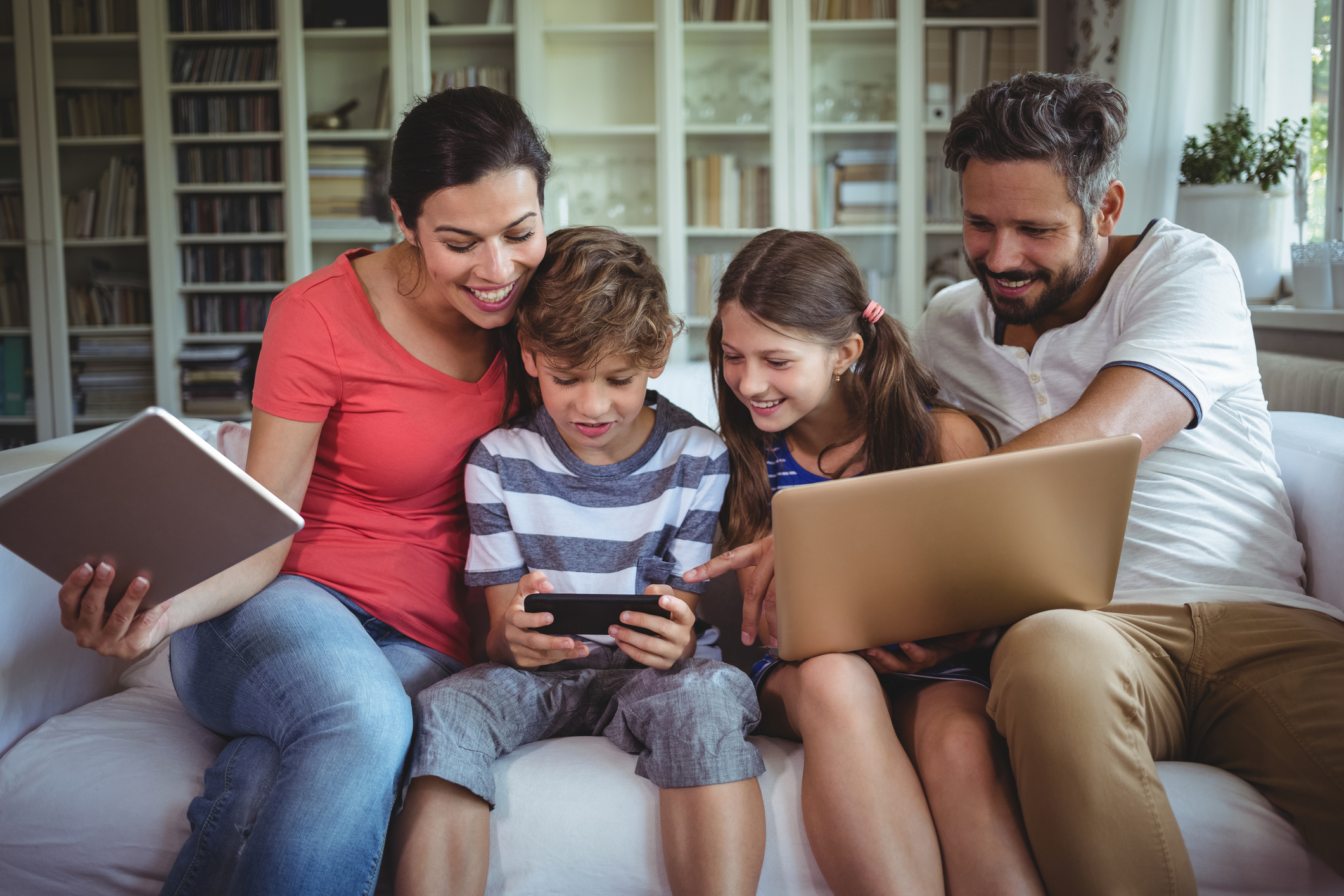
A kit is only helpful if kids know how and when to use it. Every six months (when the clocks change), practice evacuating from your home to your family meeting place. Run through an earthquake drill together. These simple steps build confidence and help kids understand that preparedness is an active, ongoing routine, not just a one-time project.
Updating the Kit
Kids grow fast - so do their needs. Every six months, update the kit with new clothes, fresh snacks, and current information. Practicing your drills is a perfect time to check and refresh your kits.
Final Thoughts
Preparedness is more than being ready - it’s about making your children feel safe when the world feels uncertain. A comfort-focused disaster kit provides peace of mind for both you and your loved ones. With the right items, a little creativity, and regular practice, your child’s kit becomes more than supplies; it becomes a source of security, confidence, and comfort in the midst of chaos.
Meet Jackie Kloosterboer
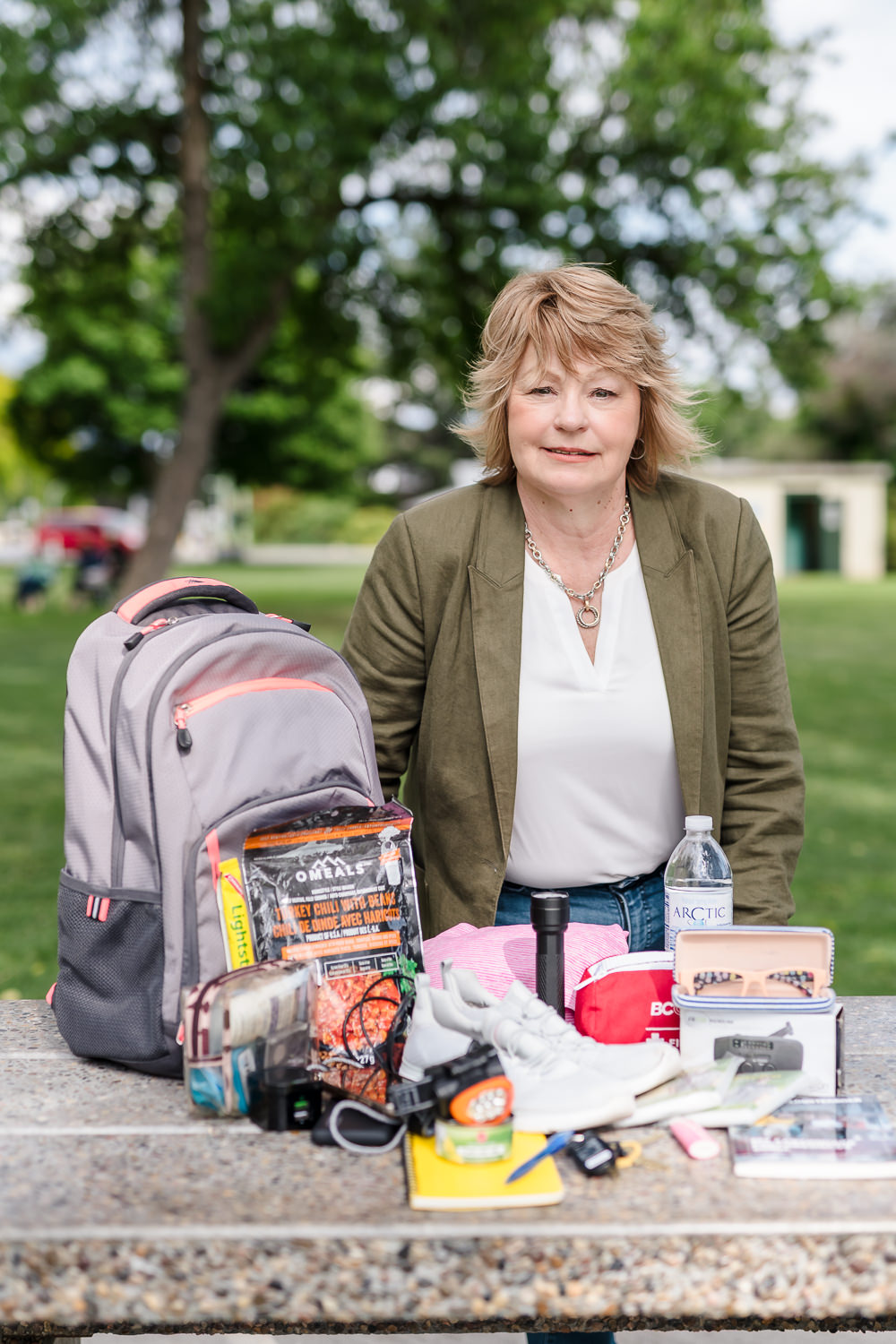
With over 30 years of frontline experience in emergency preparedness and disaster response, I’ve helped thousands of families, communities, and organizations prepare for the unexpected and recover when it strikes. From wildfires and floods to large-scale evacuations, I know firsthand what works when every second counts.
I’ve led emergency response efforts with the City of Vancouver, partnered with First Nations communities across B.C., and taught future responders through the Justice Institute of British Columbia. I’m also the founder of Mom’s Ultimate Disaster Plan, an online course designed to help busy families feel confident, informed, and ready to take action when it matters most.