Someday is NOT a Disaster Plan - Take Action NOW
- Jackie Kloosterboer
Most families believe they’ll never face a disaster-until it happens. The truth is, you often only have 10 minutes to act, and those minutes can make all the difference.
From wildfires to floods, earthquakes to power outages, disasters strike quickly and without warning. In those moments, there’s no time to flip through a manual or search online for what to do next. You either have a plan - or you don’t. Unfortunately, surveys show the majority of families still don’t have a disaster plan in place.
Why is that? It’s not because people don’t care about their families’ safety. It’s because life is busy. Moms and Dads are handling commutes, juggling work, school schedules, soccer practices, and grocery lists. Preparedness gets pushed to “someday.”
But here’s the hard truth: “someday” isn’t a plan. And waiting until an emergency happens is far too late.
That’s why today we’re breaking down the three most common reasons families aren’t ready—and sharing simple, doable steps you can take to make sure your loved ones aren’t caught off guard.

1. “It Won’t Happen to Me” Thinking
It’s human nature to assume disasters happen somewhere else—to other people. Maybe you’ve thought:
“We don’t live near a forest, so wildfire isn’t a risk.”
“We’re not on the coast, so flooding won’t affect us.”
“Earthquakes happen in California, not here.”
But the reality is, emergencies don’t check postal or zip codes. Whether it’s a regional disaster like a wildfire or a local event like a house fire, every family is vulnerable.
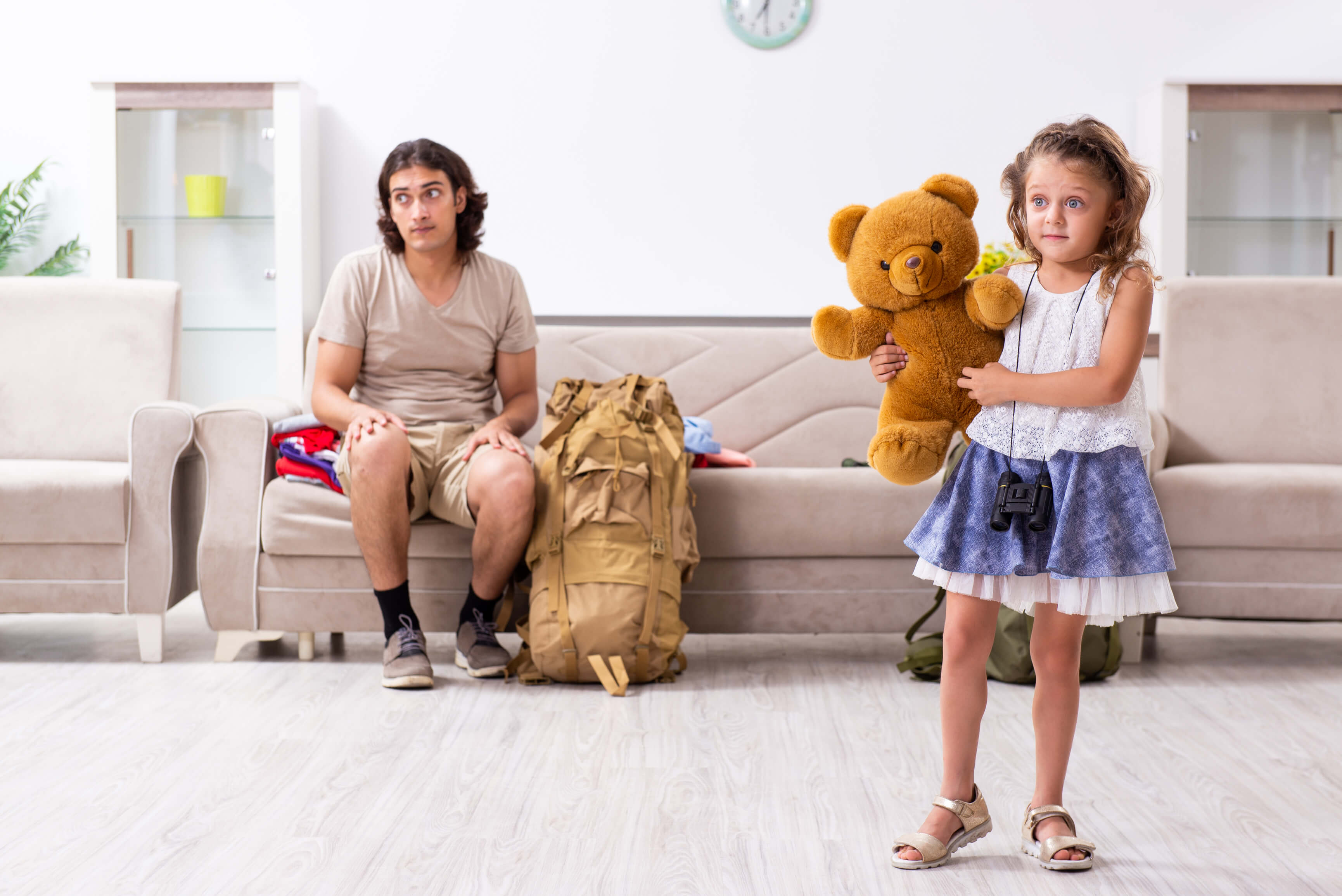
Quick Tip: Start small. Create a grab-and-go kit for each family member. It doesn’t have to be expensive or fancy—just a backpack with basics like:
Bottled water
Non-perishable snacks
A flashlight and batteries
Copies of important documents (IDs, insurance cards, prescriptions)
A comfort item for kids (like a small toy or blanket)
Having these essentials ready can turn panic into action when seconds count.
2. Overwhelm Stops Action
Preparedness can feel overwhelming. Families often think they need to build a bunker, stockpile months of food, and invest thousands in special gear. The weight of “everything” keeps people from doing anything at all.
But preparedness doesn’t have to be all or nothing. Small, consistent steps build real security.
Quick Tip: Break it down into bite-sized tasks:
Week 1: Add a few extra canned goods or bottled water to your grocery cart.
Week 2: Write down emergency contact numbers and keep them in your kit.
Week 3: Pick a family meeting spot outside your home.
In just a month, you’ve started building a plan - without stress, without breaking the bank.
3. No Practice = Chaos
Even families with supplies in place often make one big mistake: they never practice what to do. In an emergency, stress levels skyrocket, and without practice, confusion takes over. Kids don’t know where to go. Parents forget key steps. Precious time is wasted.
Quick Tip: Run a simple 5-minute drill once a month.
Grab the kit.
Head to the door.
Meet at a safe spot outside.
The more you practice, the calmer your response will be when it really matters. Kids especially benefit from rehearsals - they love being part of the “mission,” and it reduces their fear.

A Real-Life Story: The Miller Family
Last year, I worked with the Miller family, who lived in an area at risk of wildfires. They thought they were ready. They had talked about what they’d do and even had a kit started.
But when a fast-moving wildfire forced an evacuation, panic set in. They couldn’t find their daughter Becky’s medication. That frantic search cost them precious minutes—and added unnecessary stress to an already terrifying situation.
Afterward, the Millers realized that having supplies isn’t enough. They committed to building a complete kit and running monthly practice drills. Today, Becky actually leads the family in “disaster practice.” She knows exactly where her medication is, and the family feels confident that they can leave quickly and safely if it ever happens again.
Their story shows why preparedness isn’t just about supplies—it’s about systems, routines, and peace of mind.
Why Prepare Now
We prepare for so many things in life—college funds, retirement plans, vacations. But when it comes to emergencies, many families cross their fingers and hope for the best.
Hope is not a strategy.
Preparedness doesn’t have to be complicated or time-consuming. By taking small, simple steps - today - you can protect your family tomorrow. And the best part? Preparedness gives you peace of mind. You’ll sleep better knowing you’re ready.
Getting Started
Here’s a simple starter checklist you can do in the next two weeks:
Build a Grab-and-Go Kit – Backpack + water + snacks + flashlight + documents.
Make a Contact List – Write down phone numbers for family, friends, and emergency services.
Pick a Meeting Spot – Decide where you’ll meet if you need to evacuate quickly.
Practice a Drill – Spend 5 minutes walking through your plan with the whole family.
That’s it. Four steps. In less than two weeks, you’ll be further ahead than most families.
Final Word
Preparedness isn’t about fear- it’s about empowerment. When disaster strikes, you won’t have time to think, only to act. By preparing now, you give your family the tools to act quickly and confidently.
So don’t wait for “someday.” Start today. Because those 10 minutes could make all the difference.
Call-to-Action
Preparedness doesn’t have to be complicated or time-consuming. Small steps add up to real peace of mind. If you’re looking for more ideas, I’ve got plenty to share here: [Insert link].”
Remember, you don’t have to figure this out on your own. That’s why I created PrepBuddy, a free AI assistant that helps busy moms see where they’re already prepared-and where a few small changes can make a big difference. Think of it as your preparedness buddy, guiding you one step at a time.
Meet Jackie Kloosterboer

Jackie Kloosterboer is a disaster preparedness specialist with over 30 years of experience helping families, communities, and organizations get ready for the unexpected. As a sought-after speaker, trainer, and course creator, she is passionate about giving families the tools they need to protect their loved ones—without overwhelm. Jackie is the creator of Mom’s Ultimate Disaster Plan and PrepBuddy, her AI-powered assistant designed to make preparedness simple, practical, and doable.